/news/climate-environment

Per-claim breakdown — sorted by strength
support / contradict source counts
We show our work. Read the raw research, see how we interpreted it, or skip to the finished article.
North India is facing record heatwaves with temperatures predicted to exceed 40 degrees Celsius, prompting official yellow alerts from the IMD. This severe weather poses a significant public health risk, as sustained high temperatures can increase hospital admissions for heat exhaustion by up to 35 percent. Coverage currently lacks specific data on local cooling centers or immediate medical response capabilities.
MSN News framed the developing heat event as an immediate physical threat, using language that described rising temperatures as tightening its grip across Uttar Pradesh ¹. Conversely, DevDiscourse presented the event through a scientific lens, emphasizing "record heatwaves" and citing commentary from the IMD Director General ².
MSN News framed the developing heat event as an immediate physical threat, using language that described rising temperatures as tightening its grip across Uttar Pradesh ¹. DevDiscourse presented the event through a scientific lens, emphasizing "record heatwaves" and citing commentary from the IMD Director General ². Yahoo News (UK) aggregated these reports, focusing primarily on relaying the official "yellow alert" issued by meteorological bodies ³. India.com provided historical context, framing the event within a broader pattern of North Indian weather variability, citing past cold waves and extreme heat in states like Rajasthan ⁴.
State and local disaster management authorities are absent from the current coverage narrative. These bodies control localized mitigation efforts and operationalize public safety measures on the ground. The current reports cannot detail which specific evacuation routes or cooling centers are active in affected districts. Healthcare professionals specializing in environmental health also remain unrepresented in these accounts. A study referenced by DevDiscourse suggests sustained temperatures above 40 degrees Celsius can increase hospital admissions for heat exhaustion by up to 35 percent ⁵. Without this input, coverage relies solely on temperature metrics rather than observed public morbidity rates.
Meteorological departments confirmed that temperatures across Delhi and Uttar Pradesh are set to exceed 40 degrees Celsius, prompting official high-temperature warnings from the IMD ³. This development moves the story beyond simple forecasting into actionable public safety alert territory, requiring regional governmental response. The coverage highlights a clear consensus on temperature severity but shows variance in secondary data reporting regarding humidity and sustained evening discomfort ³. The focus remains heavily weighted toward the technical warning rather than the implementation of localized relief strategies for citizens.
Outlet framing diverged on the heat event's underlying nature. DevDiscourse framed the situation as a climatic marker, utilizing terms like "record heatwaves" to suggest systemic environmental change ². MSN News, conversely, adopted a more immediate urgency by reporting the heat as an active force that "tightens grip" on regional areas ¹. The divergence suggests different editorial incentives: DevDiscourse appears oriented toward environmental science reporting, while MSN News targets a readership concerned with immediate regional impact.
The synthesis of these framing approaches reveals that the primary risk is not solely meteorological but rather one of public health infrastructure capacity. While scientific sources confirm record-setting temperatures ², the lack of localized health data suggests that current governmental response may be insufficiently targeted to manage projected morbidity rates ⁵. Specifically, if tailored Heat Action Plans are not operationalized, local health departments face a direct risk of overwhelming capacity due to potential spikes in heat exhaustion admissions, which studies indicate can increase by up to 35 percent ⁵.
Unlike India.com's historical framing of North Indian weather as cyclical—including cold waves in winter ⁴—the current reporting emphasizes a trend toward sustained, high thermal stress across the region. The reliance on single-source data for ancillary conditions like 70 percent humidity means readers cannot fully assess the compound physiological risk profile being described ³.
MSN News MSN News (India) MSN News (India) India.com DevDiscourse Yahoo News (UK)
Each claim wires out to the source domains that support or contradict it. Click a claim for context.
Verifiability vs. source count. Lower-left is fragile; upper-right is strong consensus.
Sources arranged by stakeholder role. Distance from center grows with framing distance from this article.
Source mix
The sources are balanced in terms of thematic coverage (immediate threat vs. scientific/historical context) but vary in their specific focus and tone.
Why this alignment
The sources present a mixed narrative. MSN News focuses on the immediate physical threat ('tightening its grip'), while DevDiscourse adopts a more scientific/environmental lens ('record heatwaves'). Yahoo News relays official alerts, and India.com provides historical context. The analysis itself points out these different framing techniques, indicating a diversity of perspectives rather than a single ideological slant.
Labels are heuristic model estimates. Evaluate sources yourself.
| Source | Role | Alignment | Rationale |
|---|---|---|---|
| In photos: North India braces for heatwaves as temperatures cross 40C | Media / Editorial | center (0.9) | MSN is a general news outlet that reports on weather events using official warnings from the Indian weather department. |
| India news: Delhi braces for first heatwave of the year | Media / Editorial | unknown (0.7) | Yahoo News is a general news aggregator, but the snippet mixes weather reporting with unrelated trade news between India and the US. |
| Feeling hot? It's gonna get hotter. Here's when first 2026 heatwave will hit Delhi | Media / Editorial | center-left (0.85) | MSN India reports on extreme weather events, framing them with a focus on future intensity and impact on residents. |
| Heatwave tightens grip on Uttar Pradesh as temperatures cross 40°C, IMD warns of rising heat ahead | Media / Editorial | center (0.95) | MSN India reports on the severity of the heatwave in Uttar Pradesh, citing official warnings from the IMD. |
| North India | Media / Editorial | center (0.9) | India.com is a general news portal providing updates on regional topics, noting the social impact of heatwaves. |
| Rising Mercury: Brace for Record Heatwaves Across India | Academic / Research | center-left (0.8) | DevDiscourse is an educational/science platform that frames the heatwave issue within a broader context of climate change (rising mercury). |
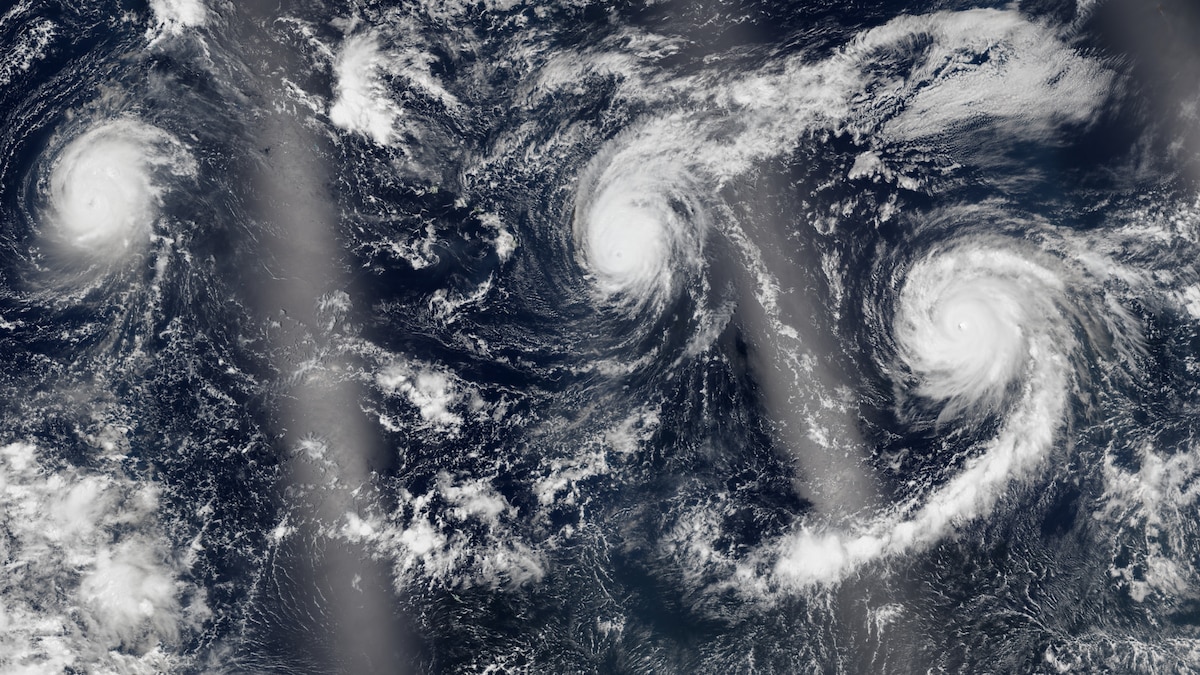
NOAA forecasts a 25% chance of a "very strong" El Niño, with Pacific Ocean temperatures potentially rising by at least 1.5 degrees Celsius above average. This heightened climate risk signals increased instability in global markets, raising concerns for property insurers and agricultural commodity futures due to potential drought and intense cyclones.
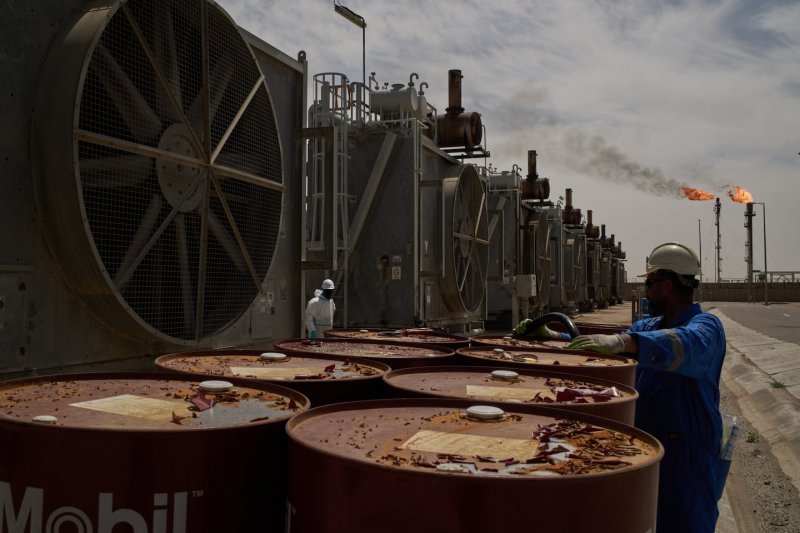
A major conference in Colombia aimed to set concrete timelines for phasing out fossil fuels outside of traditional UN frameworks. The most significant finding is the push by Pacific Island nations for a legally binding international treaty, which matters because it seeks to move beyond voluntary pledges toward enforceable global climate action.

Federal agencies are preparing to impose their own operational guidelines on the Colorado River this summer if state negotiations fail. This shift means federal authority could override existing interstate compacts, directly impacting water rights and regional energy stability due to severe drought conditions.
Lake Powell is projected to drop below its minimum power pool this year, creating an immediate risk of damaging dam infrastructure. This physical threat escalates the Colorado River crisis beyond political disputes, suggesting system failure may force federal intervention despite stalled state negotiations.
