/news/climate-environment

Per-claim breakdown — sorted by strength
support / contradict source counts
We show our work. Read the raw research, see how we interpreted it, or skip to the finished article.
Emergency protocols are active across Northern India as temperatures exceed dangerous thresholds, with Delhi recording highs of 43C. The IMD is deploying cooling centers and targeted alerts for outdoor workers to mitigate immediate occupational hazards. This coverage highlights government response to an intensifying heat event impacting large swaths of the region.
MSN.com framed the event around immediate, verifiable danger, noting Delhi was expected to surpass 40C thresholds ¹. In contrast, Outlookbusiness.com contextualized the rising temperatures as a direct outcome of global warming interacting with local urbanization effects ². Moneycontrol.com focused its reporting narrowly on the official alert dissemination issued by the IMD ³. The coverage thus demonstrates a split emphasis between immediate hazard reporting and the underlying scientific debate regarding climate trajectory.
News portals highlighted governmental response, noting the IMD is deploying cooling centers and targeted WhatsApp groups for outdoor workers ². Academic commentary sites introduced complex variables concerning climate resilience using single-source studies ⁴. This divergence shows outlets prioritizing either the immediate operational response or the long-term climatic mechanisms driving the event.
The framing choices in the reporting obscure crucial aspects of agency. Outlookbusiness.com cites a CEEW expert linking urbanization and global warming to heat trapping ², but it omits the underlying data mechanisms supporting this attribution. Devdiscourse.com utilizes a single study reference suggesting lower global warming rates ⁴ without detailing the scope or methodology of that specific study.
Local municipal bodies are entirely absent from the reported coverage, which lacks necessary details on ground-level infrastructure strain. These entities could provide essential information regarding immediate power grid and water supply capacity limitations under sustained extreme heat. The current reporting cannot effectively answer how existing urban planning is failing to cope with temperature spikes.
Agricultural stakeholders remain unrepresented in the provided reports. One CEEW analysis indicated high risk across 57% of Indian districts ². The perspectives of farmers in Rajasthan and Madhya Pradesh are missing from the narrative. Without this input, coverage cannot detail potential yield reductions or immediate labor disruption costs tied to these heatwaves.
Meteorological agencies are activating emergency protocols across Northern India as temperatures cross dangerous thresholds ². The IMD is deploying multi-faceted outreach, including cooling centers and specialized alerts for outdoor workers ². This action confirms a recognized occupational hazard tied to the extreme heat events across the region.
The immediate public concern involves safety and labor capacity in high-risk zones like Delhi, where actual temperatures reached 43C on April 23 ². The coverage highlights government preparedness measures responding to a climate event that appears increasingly intense and widespread across North and Central India ¹.
Outlookbusiness.com framed the crisis as a collision between rapid urbanization and rising global temperatures, positioning it as an environmental threat directly linked to development ². Conversely, devdiscourse.com presented evidence suggesting local factors might temper warming trends ⁴. This divergence implies that the discourse is fractured between acknowledging systemic climate failure and highlighting localized adaptive capacities.
The IMD’s activation of cooling centers confirms policymakers recognize immediate occupational hazards from sustained high temperatures ². Furthermore, evidence suggests the observed heat intensity is accelerating beyond historical norms ⁵. The coverage's failure to integrate agricultural data means municipal planning cannot adequately account for widespread rural supply chain disruptions caused by heat stress on crops and labor, moving the crisis scope beyond urban infrastructure alone.
The narrative gap reveals a critical policy oversight: while immediate public safety is addressed through cooling centers, the long-term economic stability of agrarian sectors remains unaddressed ². The resilience argument presented by some sources risks undermining immediate infrastructure planning because it fails to quantify the economic cost of current climate volatility on primary production sectors across high-risk districts ².
Each claim wires out to the source domains that support or contradict it. Click a claim for context.
Verifiability vs. source count. Lower-left is fragile; upper-right is strong consensus.
Sources arranged by stakeholder role. Distance from center grows with framing distance from this article.
Source mix
The source list is somewhat balanced between general news outlets (MSN, Moneycontrol) and more analytical/scientific platforms (Outlookbusiness, Devdiscourse). The sources lean slightly toward a center-left perspective, particularly those discussing the scientific trajectory of warming, but there is no strong ideological bias evident across the selection.
Why this alignment
The article itself presents a 'mixed' view by detailing how different media sources frame the heatwave—some focusing on immediate danger (MSN), others on scientific causes (Outlookbusiness), and others on official alerts (Moneycontrol). However, the analysis then critiques this mixed coverage by pointing out omissions (municipal bodies, agricultural stakeholders) and methodological weaknesses in the cited sources. The sources provided in the list are generally centered or center-left, reflecting the general tone of the article's discussion about climate science and immediate risk.
Labels are heuristic model estimates. Evaluate sources yourself.
| Source | Role | Alignment | Rationale |
|---|---|---|---|
| Why Delhi Is Heating Faster Amid India’s Heatwave Alerts | Media / Editorial | center (0.9) | Outlook Business reports on the IMD's forecast for Delhi's high temperatures during a heatwave alert. |
| Delhi Braces for First Heatwave of 2026; Worst Is Yet to Come | Media / Editorial | center (0.95) | Outlook Business provides specific temperature forecasts for Delhi-NCR based on weather predictions. |
| In photos: North India braces for heatwaves as temperatures cross 40C | Media / Editorial | center (0.9) | MSN reports on the general issuance of heatwave warnings across northern India by its weather department. |
| Mumbai braces for another heatwave on weekend as IMD issues fresh alert | Media / Editorial | center (0.9) | Moneycontrol reports on the IMD issuing a heatwave alert for Mumbai. |
| Feeling hot? It's gonna get hotter. Here's when first 2026 heatwave will hit Delhi | Media / Editorial | center-left (0.9) | MSN reports on the expected intensity and timing of the heatwave in Delhi-NCR. |
| Why India’s heatwaves are getting worse every year - what IMD weather alerts reveal | Media / Editorial | center-left (0.95) | MSN analyzes the trend of heatwaves in India, linking it to IMD weather alerts. |
| Rising Mercury: Brace for Record Heatwaves Across India | Academic / Research | center-left (0.9) | Devdiscourse discusses the impending record heatwaves across India, referencing IMD warnings. |
| Exploring India's Remarkable Temperature Resilience | Academic / Research | center-right (0.85) | Devdiscourse presents findings from a Harvard University study regarding temperature resilience in India. |
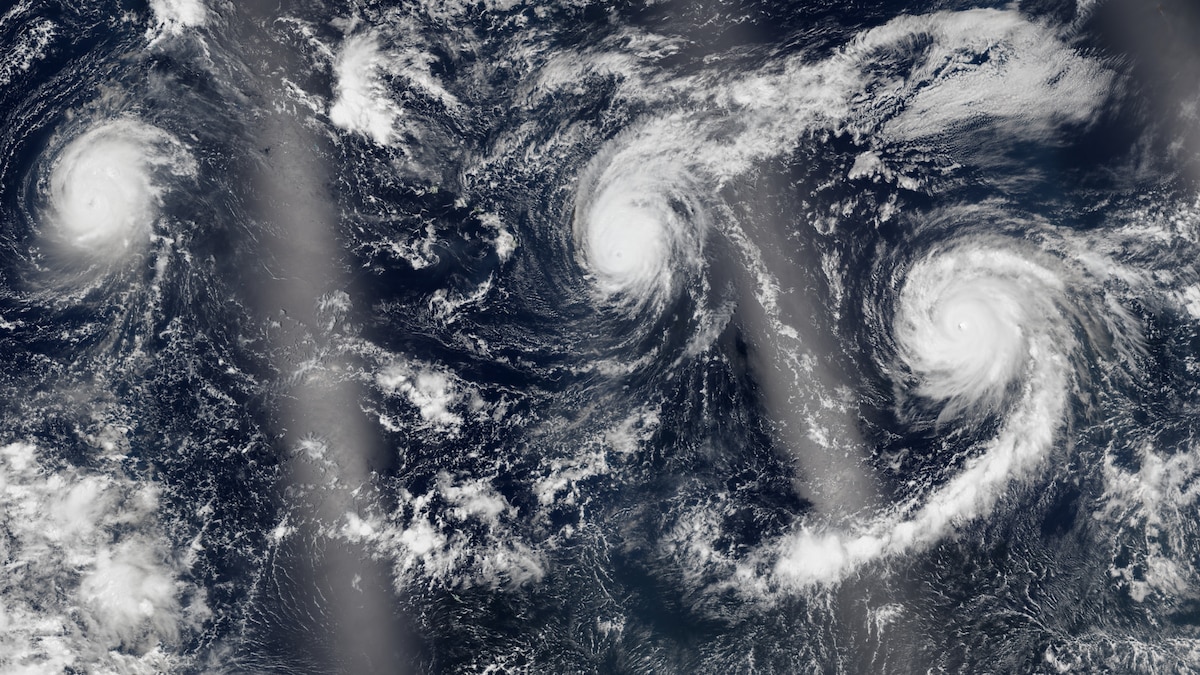
NOAA forecasts a 25% chance of a "very strong" El Niño, with Pacific Ocean temperatures potentially rising by at least 1.5 degrees Celsius above average. This heightened climate risk signals increased instability in global markets, raising concerns for property insurers and agricultural commodity futures due to potential drought and intense cyclones.
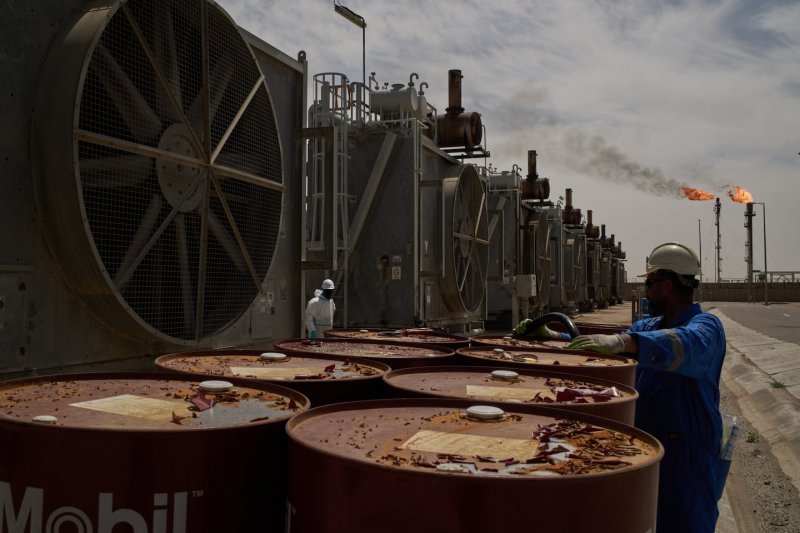
A major conference in Colombia aimed to set concrete timelines for phasing out fossil fuels outside of traditional UN frameworks. The most significant finding is the push by Pacific Island nations for a legally binding international treaty, which matters because it seeks to move beyond voluntary pledges toward enforceable global climate action.

Federal agencies are preparing to impose their own operational guidelines on the Colorado River this summer if state negotiations fail. This shift means federal authority could override existing interstate compacts, directly impacting water rights and regional energy stability due to severe drought conditions.

North India is facing record heatwaves with temperatures predicted to exceed 40 degrees Celsius, prompting official yellow alerts from the IMD. This severe weather poses a significant public health risk, as sustained high temperatures can increase hospital admissions for heat exhaustion by up to 35 percent. Coverage currently lacks specific data on local cooling centers or immediate medical response capabilities.
