/news/climate-environment
Per-claim breakdown — sorted by strength
support / contradict source counts
We show our work. Read the raw research, see how we interpreted it, or skip to the finished article.
In 2025, U.S. wind and utility-scale solar power achieved a record share of national electricity generation, reaching 17% of total output ¹. This figure represents a substantial increase when compared to the baseline of less than 1% recorded two decades prior ¹. However, this narrative of rapid deployment is juxtaposed against reports indicating that new capacity development faces significant headwinds due to federal permitting actions reported in late 2025 ².
This development presents a dichotomy for energy policy and infrastructure planning: the market demonstrates massive growth potential, while simultaneously encountering bureaucratic constraints that threaten future scaling. The current evidence confirms the 17% generation share across multiple outlets but lacks detailed insight into the specific regulatory mechanisms driving the observed slowdown.
The following quantitative and qualitative data points define the energy landscape in 2025:
The evidence establishes a clear divergence between achieved technological success and emerging regulatory friction in the U.S. energy sector. Renewable penetration successfully increased from below 1% two decades ago to 17% in 2025 ¹. This growth is further supported by the concurrent integration of lithium battery storage solutions, which are designed to manage excess power ⁴.
However, this positive trajectory faces structural challenges documented in late 2025 reports concerning future expansion:
Conclusion: The synthesis of these findings suggests that the U.S. energy sector is currently caught between robust, realized technological adoption and policy deceleration impacting future deployment speed. The analysis concludes that while current infrastructure growth has been demonstrably strong, its sustained expansion risks being capped by administrative processes if the permitting slowdowns reported in late 2025 persist.
The reliability of the data presented relies on the following sources:
Each claim wires out to the source domains that support or contradict it. Click a claim for context.
Verifiability vs. source count. Lower-left is fragile; upper-right is strong consensus.
Sources arranged by stakeholder role. Distance from center grows with framing distance from this article.
Source mix
The sources are balanced in presenting two distinct facets of the topic: strong evidence for renewable energy growth (center/center-left leaning reports from PV Magazine, Yahoo News, MSN) and specific reporting on regulatory friction/political headwinds (center-right leaning reports from Reuters and US News regarding the Trump administration's permitting push).
Why this alignment
The article presents a mixed narrative: on one hand, it reports a significant technological success with renewable energy (wind and solar) hitting record levels (17% of generation). On the other hand, it highlights a major political/regulatory setback ('headwinds' due to federal permitting actions under the Trump administration) that threatens future scaling. This juxtaposition of progress vs. constraint leads to a mixed alignment.
Labels are heuristic model estimates. Evaluate sources yourself.
| Source | Role | Alignment | Rationale |
|---|---|---|---|
| Utility-scale solar and wind hit a record 17% of US generation in 2025: EIA | Industry / Corporate | center (0.9) | Utility Dive is a publication focused on the energy industry, and reporting on EIA data regarding renewable energy generation aligns with a factual, industry-focused stance. |
| TVA's status as clean energy leader questioned amid rapid gas expansion and... | Industry / Corporate | unknown (0.7) | This article questions the leadership status of a specific regional power provider (TVA) in the context of clean energy expansion versus gas use, suggesting a nuanced or critical industry perspective. |
| Wind and Solar Hit Record 17% of U.S. Electricity Generation | Consumer | center-left (0.9) | This article highlights the increasing role of renewables in powering modern technology (like Tesla), framing it positively as a shift away from traditional fossil fuels. |
| Shimon Peres discusses the future of Israel / Related news | Unknown | unknown (0.5) | This source appears to be from a wiki-news section discussing Israeli politics and conflicts, which is entirely unrelated to the energy topic. |
| Solar and wind reach record 17% of US power generation | Industry / Corporate | center-left (0.95) | PV Magazine is a specialized publication for the photovoltaic and renewable energy industry, providing data-driven reporting on solar and wind growth. |
| Climate and environment updates: Wind, solar generated record US electricity in 2025 | Media / Editorial | center (0.9) | MSN is a general news outlet reporting on climate and environment updates using the record generation statistic. |
| Wind and solar power frozen out of Trump permitting push | Media / Editorial | center-right (0.85) | Reuters provides factual reporting, but this article specifically focuses on the negative impact of a political administration's (Trump's) permitting freeze on clean energy projects. |
| Analysis: Europe forges ahead with Green New Deal, in contrast to U.S. climate setback | Media / Editorial | center-left (0.9) | Reuters provides analysis contrasting the US situation with Europe's proactive climate policies (Green New Deal), suggesting a more progressive view on climate action. |
| Wind and Solar Power Frozen Out of Trump Permitting Push | Media / Editorial | center-right (0.85) | This source mirrors the framing of Reuters (ID 233), focusing on the negative impact of political permitting restrictions on wind and solar development. |
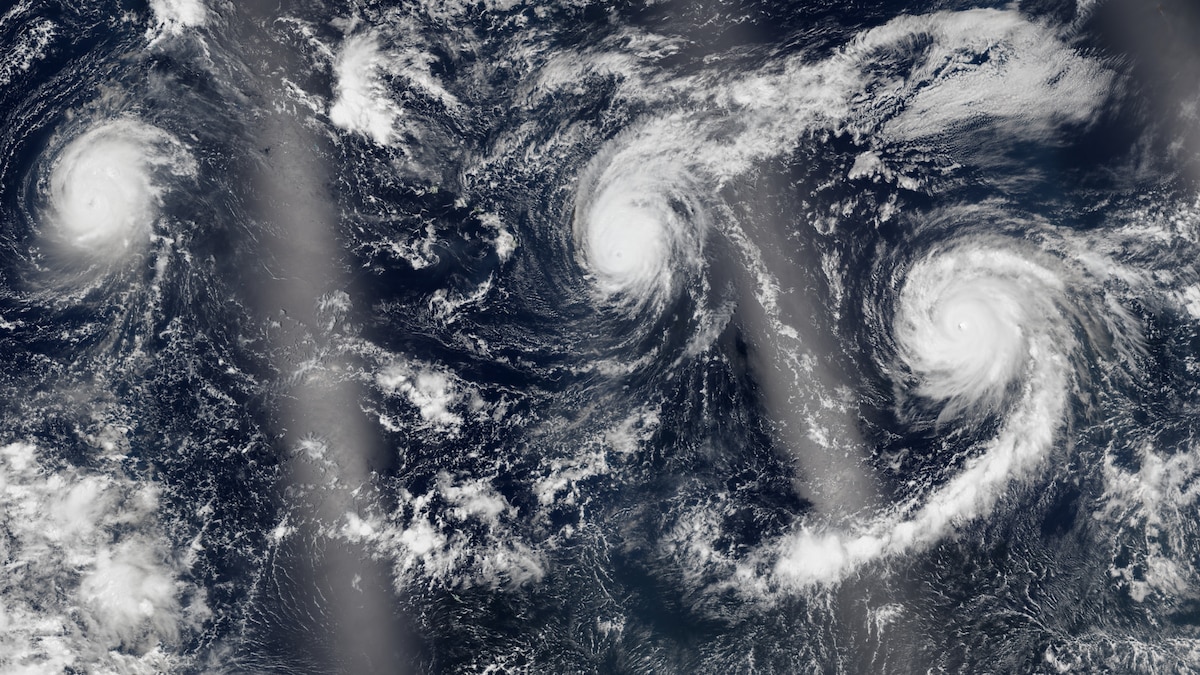
NOAA forecasts a 25% chance of a "very strong" El Niño, with Pacific Ocean temperatures potentially rising by at least 1.5 degrees Celsius above average. This heightened climate risk signals increased instability in global markets, raising concerns for property insurers and agricultural commodity futures due to potential drought and intense cyclones.
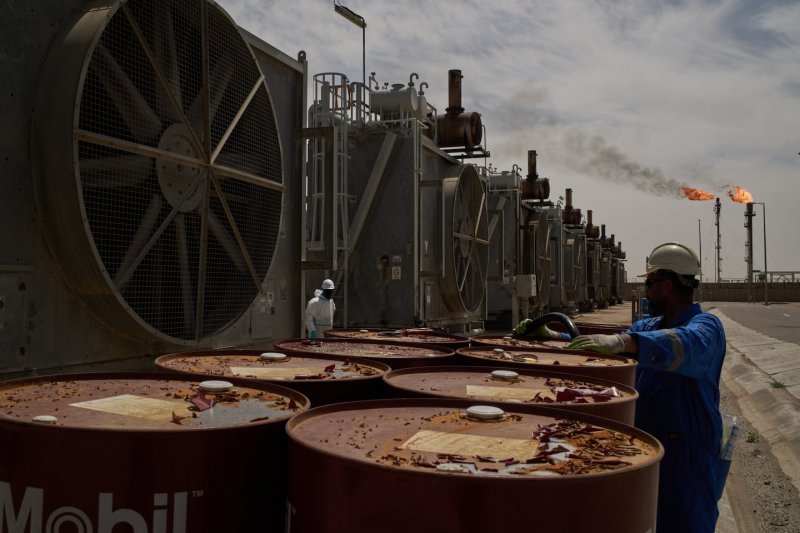
A major conference in Colombia aimed to set concrete timelines for phasing out fossil fuels outside of traditional UN frameworks. The most significant finding is the push by Pacific Island nations for a legally binding international treaty, which matters because it seeks to move beyond voluntary pledges toward enforceable global climate action.

Federal agencies are preparing to impose their own operational guidelines on the Colorado River this summer if state negotiations fail. This shift means federal authority could override existing interstate compacts, directly impacting water rights and regional energy stability due to severe drought conditions.

North India is facing record heatwaves with temperatures predicted to exceed 40 degrees Celsius, prompting official yellow alerts from the IMD. This severe weather poses a significant public health risk, as sustained high temperatures can increase hospital admissions for heat exhaustion by up to 35 percent. Coverage currently lacks specific data on local cooling centers or immediate medical response capabilities.
